What is Polymer Gypsum? Types (Gipton, Siwa, Satin), Advantages and Applications
Polymer gypsum is a modified building gypsum based on micronized gypsum and polymer resins, offering greater adhesion, better moisture resistance, and a longer working time. Discover its types (Gipton, Siwa, Satin, putty, and mastic) and their applications.
Short Answer: Polymer gypsum is a type of modified building gypsum based on micronized gypsum that is mixed with polymer resins. The result is a gypsum with greater adhesion, better moisture resistance, and a significantly longer working time than regular gypsum. Gipton gypsum, Siwa gypsum, Satin gypsum, and putty and mastic powders all belong to this family. You can view the products in this group in the polymer gypsum category of the store.
What is Polymer Gypsum?
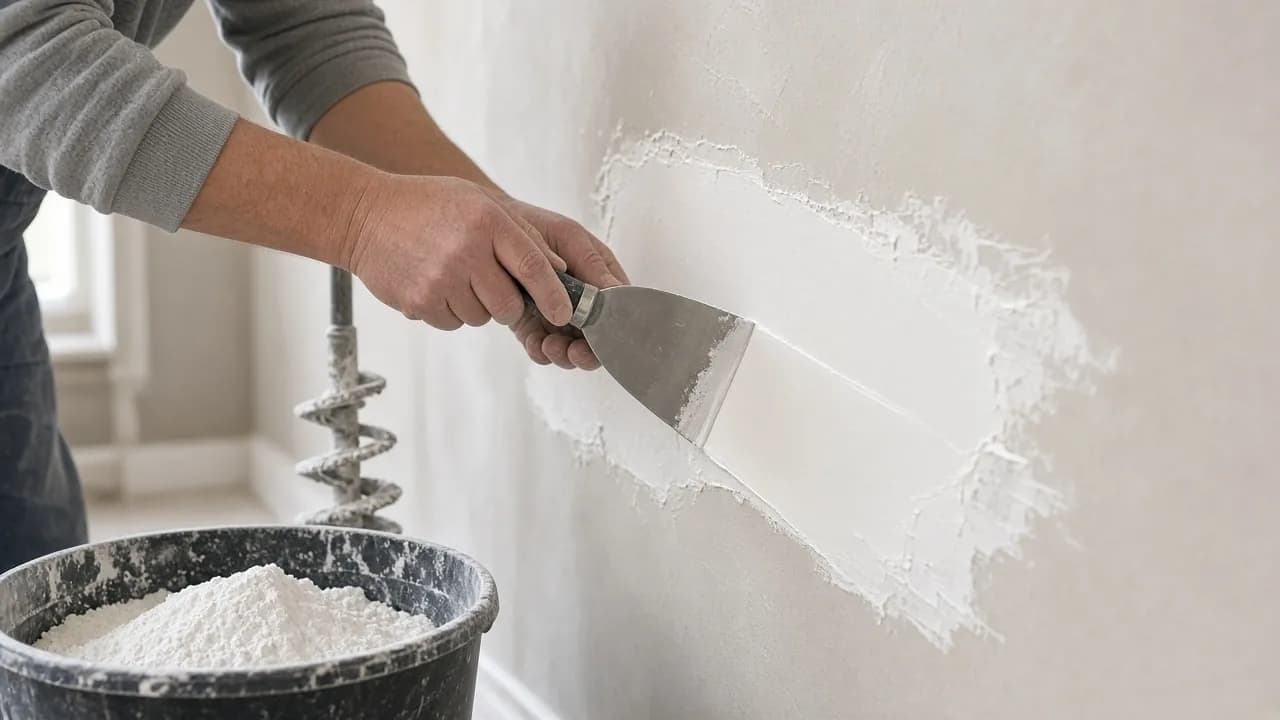
Regular building gypsum starts to set within a few minutes after being mixed and does not adhere well to certain surfaces, such as smooth concrete. In polymer gypsum, polymer additives change this behavior. The gypsum sets more slowly, adheres better, and depending on the product type, is more resistant to moisture, abrasion, and scratches. Polymer gypsum is also referred to as "processed gypsum."
Difference Between Polymer Gypsum and Regular Gypsum in Numbers
The table below is quoted from the product specifications sheet on the website:
| Feature | Regular Undercoat and Finish Gypsum | Gipton Gypsum | Siwa Gypsum | Satin Gypsum |
|---|---|---|---|---|
| Initial Setting Time | 6.5 to 7 minutes | None | None | None |
| Final Setting Time | 14 to 15 minutes | 40 minutes | 120 minutes | 150 minutes |
| Flexural Strength (after 2 hours) | 2.2 to 2.8 MPa | 4 MPa | 4 MPa | 4 MPa |
| Grain Size | 100 | 60 | 60 | 200 |
| Whiteness | 87 to 88 percent | 85 percent | 85 percent | 88 to 89 percent |
The most significant difference is the working time. Regular gypsum sets completely in about 15 minutes, while the final setting time for polymer gypsums ranges from 40 to 150 minutes, providing more time for application. Their flexural strength is also higher.
Types of Polymer Gypsum and Their Applications
Gipton Gypsum
Gipton gypsum is a polymer undercoat gypsum with high adhesion and resistance. It is used for plastering on surfaces where regular gypsum does not adhere well: exposed concrete, cement surfaces, polystyrene, clay bricks, old gypsum surfaces, and AAC blocks. Repairing gypsum and cement surfaces is also one of its applications. Examples: Gipton Sahar, Gipton Qomess, and Gipton ADSTAR.
Siwa Gypsum (Hand and Machine)
Siwa gypsum is applied in a single layer, has minimal waste, and does not require a resin coating before painting. It is resistant to abrasion and scratches and serves as an insulator against heat, moisture, and sound.
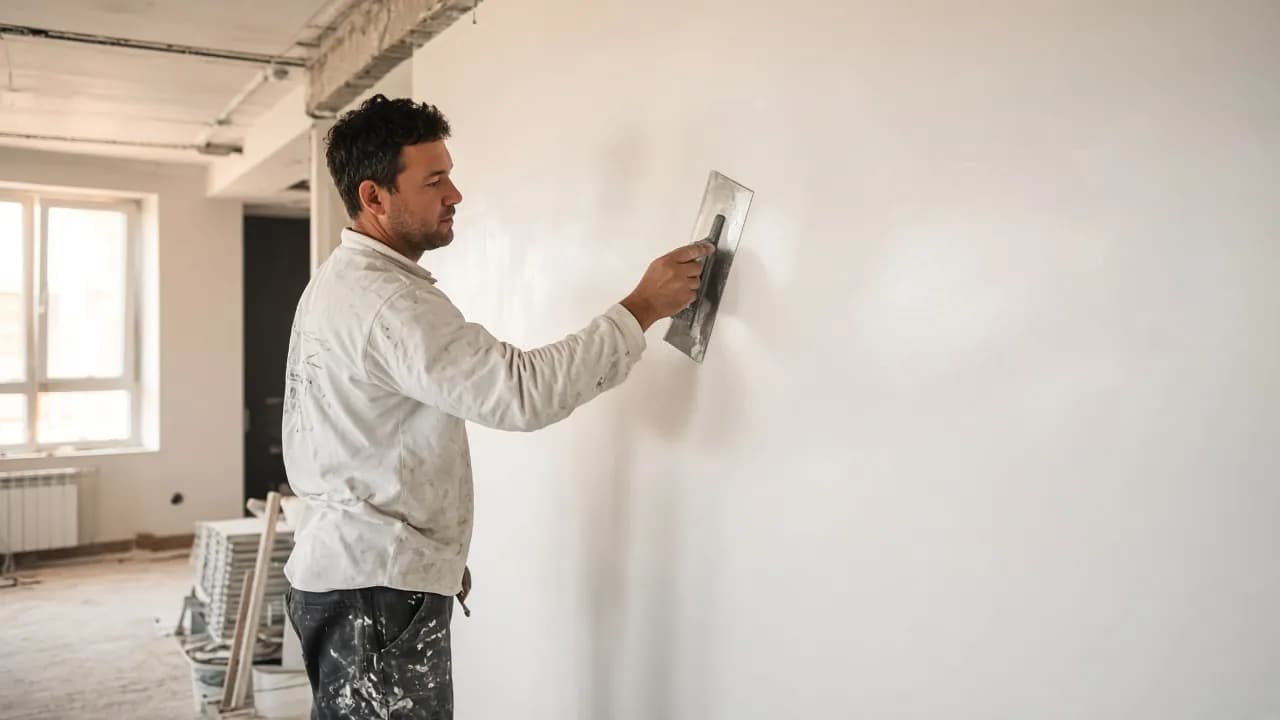
Application Method: The surface must be clean, dry, and free of dust. Siwa gypsum is mixed with a specified ratio of water and stirred until uniform, then applied to the surface using a special machine or trowel.
Satin Gypsum
Satin Polymer Gypsum is a lightweight polymer finish gypsum for final covering and finishing. It features a long final setting time, very high whiteness, a completely smooth and polished surface, and resistance to abrasion and scratches. Applications include:
Putty and Mastic Powder
Painting Putty Powder, Joint Sealant Putty Powder, and Mastic Powder are also lightweight polymer gypsum products. These three are used for sealing joints, smoothing surfaces, and preparing walls before painting, and are available in 5 kg bags.
Which Polymer Gypsum for Which Job?
| Your Need | Recommended Gypsum |
|---|---|
| Undercoat on exposed concrete, cement surfaces, or AAC blocks | Gipton Gypsum |
| Whitewashing all-concrete structures (tunnel formwork) | Hand Siwa Gypsum |
| Fast single-layer application with a machine | Machine Siwa Gypsum |
| Polished final finish and luxurious plasterwork | Satin Gypsum |
| Concrete ceiling | Undercoat with Gipton Gypsum and finish with micronized or satin gypsum |
| Simple tooling | Micronized gypsum (non-polymer) |
Is Polymer Gypsum Waterproof?
There is no completely waterproof gypsum with pure gypsum nature. However, Gipton and Siwa polymer undercoat gypsums and Satin polymer finish gypsum are recognized as moisture-insulating products. Regular building gypsum is not a good choice for humid areas, as it absorbs moisture and can blister after a while. Read more in the article Moisture-Resistant Gypsum.
Buying Polymer Gypsum from the Factory
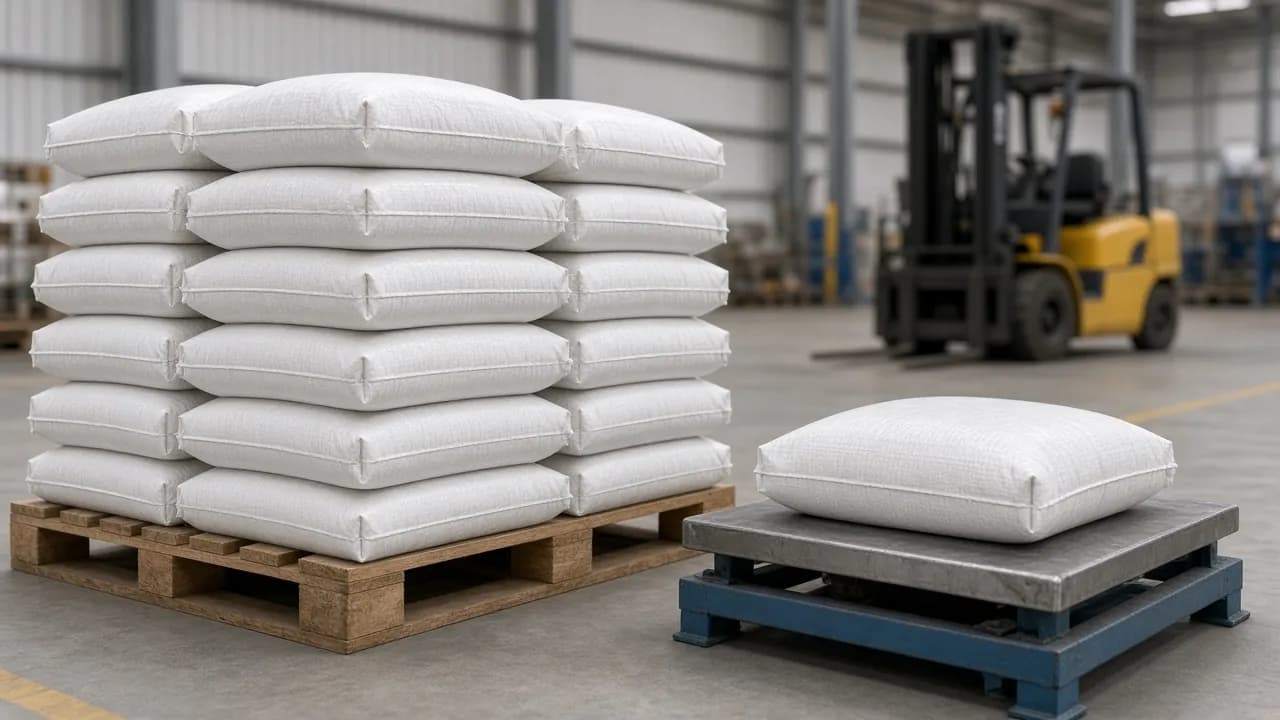
You can purchase polymer gypsums directly from the Gach Sahar factory in Semnan. The minimum order from the factory is 10 tons. Check the current price on each product page or contact the sales department. To compare with other types of Semnan gypsum, see the Comprehensive Guide to Semnan Gypsum.
FAQ
گچ پلیمری چیست؟
گچ پلیمری نوعی گچ ساختمانی اصلاحشده بر پایه گچ میکرونیزه است که با رزینهای پلیمری ترکیب میشود و خواص گچ معمولی، مثل چسبندگی و مقاومت در برابر رطوبت، را بهبود میدهد.
تفاوت گچ پلیمری با گچ معمولی چیست؟
گچ زیرکار و روکار معمولی در ۱۴ تا ۱۵ دقیقه به گیرش نهایی میرسد، اما گیرش نهایی گچهای پلیمری سحر بین ۴۰ دقیقه (گیپتون) تا ۱۵۰ دقیقه (ساتن) است. مقاومت خمشی آنها هم حدود ۴ مگاپاسکال است، در برابر ۲٫۲ تا ۲٫۸ مگاپاسکال در گچ معمولی.
گچ ساتن چیست؟
گچ ساتن نوعی گچ پلیمری روکار برای پوشش و پرداخت نهایی است. گیرش نهایی طولانی، سفیدی بسیار بالا، سطح کاملاً صاف و صیقلی و مقاومت در برابر سایش و خراش دارد و برای نازککاری، گچبری دکوراتیو و فضاهای مرطوب مثل آشپزخانه و سرویس بهداشتی به کار میرود.
گچ گیپتون چیست؟
گچ گیپتون نوعی گچ پلیمری ساختمانی با چسبندگی و مقاومت بالاست که برای اندودکاری زیرکار روی بتن اکسپوز، سطوح سیمانی، یونولیت، تیغه سفالی، سطوح گچی قدیمی و بلوک AAC به کار میرود.
آیا گچ پلیمری ضد آب است؟
گچ کاملاً ضد آب با ماهیت خالص گچی وجود ندارد، اما گچهای پلیمری زیرکار گیپتون و سیوا و گچ پلیمری روکار ساتن بهعنوان محصولات عایق رطوبت شناخته میشوند.
برای سقف بتنی کدام گچ مناسب است؟
برای سقف بتنی، زیرکار با گچ گیپتون و روکار با گچ میکرونیزه یا ساتن پیشنهاد میشود. شرط اصلی، زیرسازی درست سطح است.