Moisture-Resistant Gypsum: Production Process and Features
Learn about the production method of moisture-resistant gypsum and its applications in construction.
Introduction
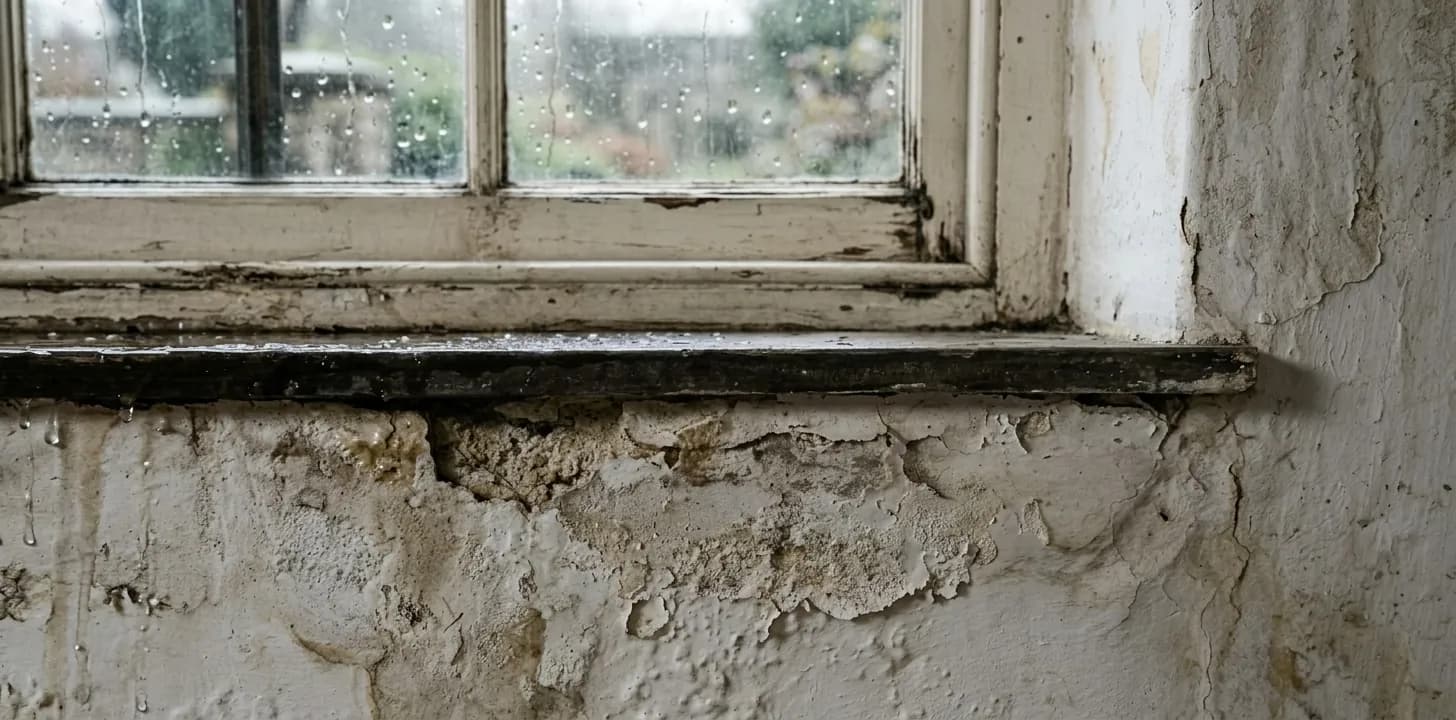
In the construction industry, one of the fundamental challenges is resistance to moisture. Moisture can damage the structure of buildings and incur high costs. In this article, we will examine the production process of moisture-resistant gypsum and demonstrate how this type of gypsum can be beneficial in construction.
What is Moisture-Resistant Gypsum?
Moisture-resistant gypsum is a type of building gypsum that acquires moisture resistance by adding specific materials to regular gypsum. Due to its special properties, this type of gypsum can be used in humid and water-prone environments.
- Resistance to moisture
- Reduced risk of mold and mildew
- Higher durability and stability
Stages of Producing Moisture-Resistant Gypsum
1. Selection of Raw Materials
To produce moisture-resistant gypsum, raw materials such as gypsum rock, chemical additives, and other minerals are selected. These materials must be of high quality to ultimately produce a durable product.
2. Processing and Grinding of Materials
The gypsum rock, after extraction, is sent to grinding machines to be converted into a fine powder. This process is crucial because the gypsum particles must be uniform and homogeneous for the moisture-resistant properties to be properly developed.
3. Adding Moisture-Resistant Materials
At this stage, specific additives are incorporated into the gypsum. These materials may include silicates, aluminates, and polymeric substances that help enhance moisture resistance.
4. Calcination and Drying
The mixed gypsum is calcined in high-temperature kilns. This process removes the natural moisture present in the gypsum and increases its strength.
Applications of Moisture-Resistant Gypsum
Moisture-resistant gypsum is typically used in areas prone to moisture, such as:
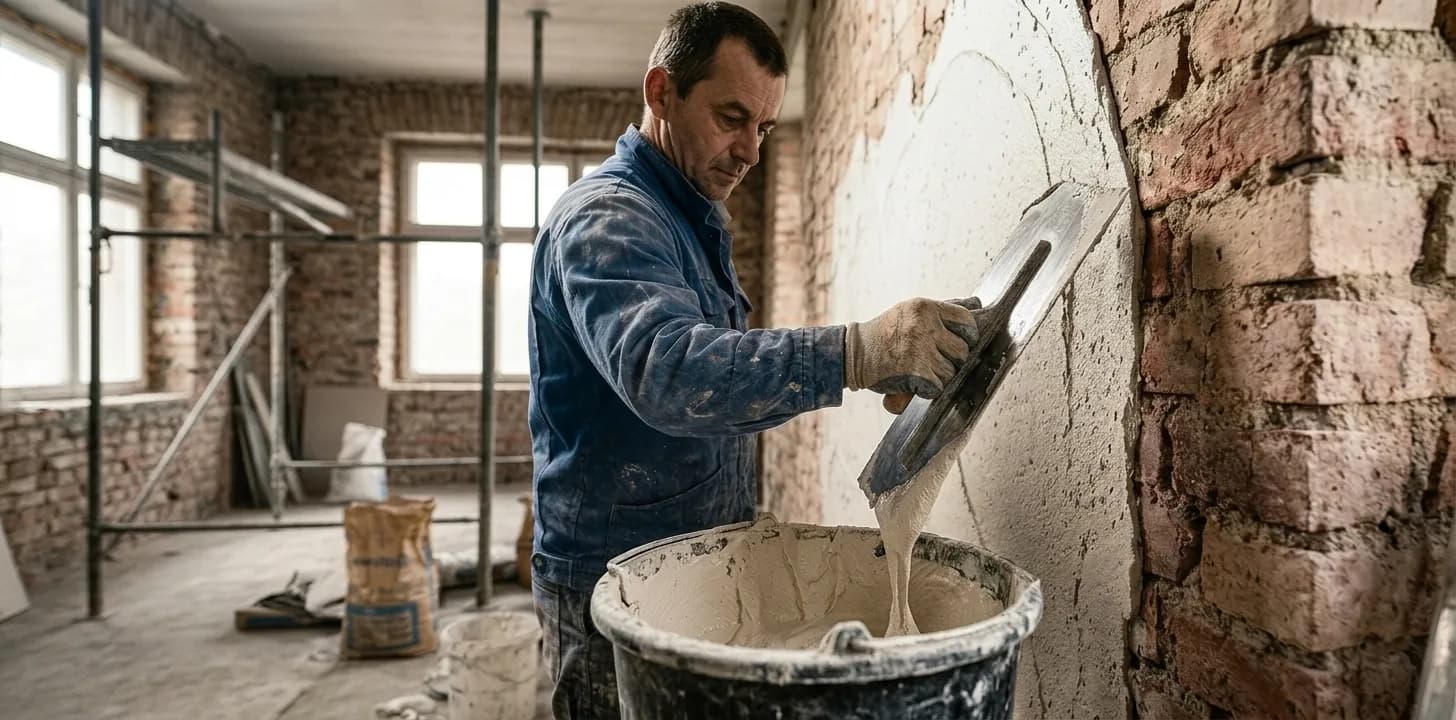
This type of gypsum is used as a final coating for walls and ceilings.
Advantages of Using Moisture-Resistant Gypsum
Conclusion
Moisture-resistant gypsum serves as an effective solution in the construction industry to address moisture-related issues. Given the features and benefits of this type of gypsum, its use in construction projects is highly recommended. For more information, you can visit Gach Sahar Products.
FAQ
گچ مناسب برای رطوبت کدام است؟
برای فضاهای مرطوب، گچ پلیمری مناسب است، نه گچ زیرکار و روکار معمولی. در مشخصات محصولات سحر، گچ سیوا (دستی و ماشینی) عایق رطوبت معرفی شده و گچ پلیمری ساتن برای مقاومسازی سطوح در برابر رطوبت در آشپزخانه و سرویس بهداشتی به کار میرود.
آیا گچ کاملاً ضد آب وجود دارد؟
خیر. گچ کاملاً ضد آب با ماهیت خالص گچی وجود ندارد. گچهای پلیمری و گچبرگهای ضد رطوبت فقط آب کمتری جذب میکنند. جایی که آب مستقیم میریزد، مثل دیواره دوش، باید پوشش دیگری مثل کاشی داشته باشد.
چرا گچ معمولی در حمام طبله میکند؟
سولفات کلسیم آبدار، ماده اصلی گچ سختشده، کمی در آب حل میشود (حدود ۲٫۰۵ گرم در لیتر در ۲۰ درجه طبق OECD). در تماس مداوم با آب و بخار، گچ معمولی رطوبت جذب میکند، نرم میشود و بهمرور طبله میکند.
مقررات ملی ساختمان درباره گچ در محیط مرطوب چه میگوید؟
طبق بند ۵-۴-۵ مبحث پنجم، در نقاط مرطوب گچ و فرآوردههای گچی نباید مستقیماً در مجاورت بتن و فرآوردههای سیمانی به کار روند و قطعات فولادی مجاور گچ باید پیش از گچکاری با رنگ ضدزنگ پوشانده شوند.
گچبرگ ضد رطوبت چه فرقی با گچبرگ معمولی دارد؟
در هسته گچبرگ ضد رطوبت افزودنیهای کاهنده جذب آب به کار رفته است. استاندارد EN 520 این صفحهها را نوع H مینامد و بر اساس جذب کل آب در ردههای H1 (حداکثر ۵ درصد)، H2 (حداکثر ۱۰ درصد) و H3 (حداکثر ۲۵ درصد) دستهبندی میکند.
حداقل سفارش گچ پلیمری از کارخانه سحر چقدر است؟
حداقل سفارش از کارخانه ۱۰ تن است. قیمتها درب کارخانه است و کرایه حمل جداگانه محاسبه میشود. قیمت سیوا و ساتن را از واحد فروش بپرسید.